Common Challenges Property Owners Face When Managing Rentals in Florida
Common Challenges Property Owners Face When Managing Rentals in Florida
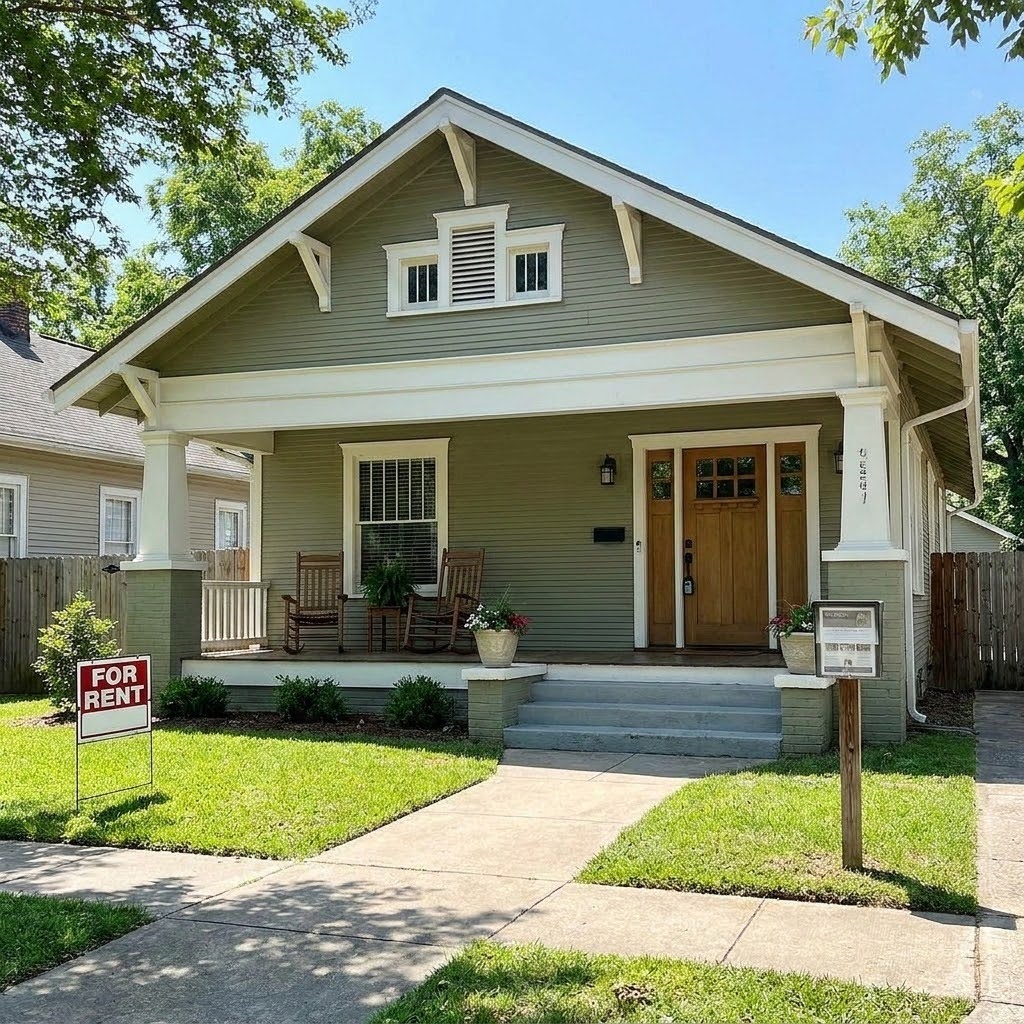
Florida has been one of the most active states in the country for its rental market. It has millions of residents and a steady influx of new arrivals. Why? For its warm weather, no state income tax, and a strong job market, demand for rental housing remains consistently high.
However, property owners face a long list of operational challenges. Managing rental property in Florida requires more than just collecting rent each month. It involves legal obligations, maintaining properties in a humid subtropical climate, and building good relationships with tenants.
If you own a home, a condo, or multiple units across different cities, this article serves as a guide for the most common landlord challenges in Florida, and helps you approach the work more strategically and avoid costly mistakes.
1. Finding and Screening Reliable Tenants
One of the first and most critical steps in managing rental property in Florida is finding a trustworthy tenant. A bad placement can result in missed rent, property damage, and lengthy eviction proceedings.
Florida does not have statewide rent control. The rental demand is strong in most metropolitan areas, and high tenant turnover is common in vacation-heavy markets like Miami, Orlando, and Tampa. Property owners often deal with applications from short-term residents or seasonal workers who may not commit to a full lease term.
Thorough tenant screening is essential, but running background checks is time-consuming. Landlords must also comply with the Fair Housing Act to avoid discriminatory practices during the selection process.
2. Handling Maintenance and Repairs in Florida's Climate
Rental property maintenance in Florida is also demanding. The state’s high humidity, heat, and hurricane season create conditions that accelerate wear and tear on properties.
The Florida Department of Agriculture and Consumer Services estimates that termites cause over $6.5 billion in property damage annually across the U.S., and Florida properties are among the most vulnerable.
Under Florida law (Chapter 83, Florida Statutes), landlords are legally required to maintain rental properties in a habitable condition. Responding to repair requests quickly and keeping written records of all communications is both a legal requirement and a practical necessity. Otherwise, the lack of these can give tenants legal grounds to withhold rent or even terminate their lease.
3. Dealing With Late or Missed Rent Payments
Late payments are one of the most common challenges in tenant management in Florida. Even with a carefully screened tenant, unexpected life events such as job loss, medical bills, or divorce can disrupt their ability to pay on time.
Florida’s eviction process, while relatively landlord-friendly compared to some other states, still takes time and money. Before filing for eviction, landlords must serve a written three-day notice to pay rent or vacate. If the tenant does not comply, the landlord can then file a complaint with the county court.
Many property owners find that setting up automated payment systems, clearly outlining late fee policies in the lease, and maintaining open communication with tenants reduces the frequency of payment issues. Some also use property management software that sends automated rent reminders, which can significantly improve on-time payment rates.
4. Navigating Florida Rental Regulations
Florida rental regulations are governed primarily by the Florida Residential Landlord and Tenant Act. This legislation outlines the rights and obligations of both landlords and tenants across a range of issues, including security deposits, lease requirements, entry notice, and eviction procedures.
Key areas where landlords frequently face compliance challenges include:
- Security deposit handling: Landlords must hold deposits in a Florida bank account and return them (with an itemized list of deductions, if applicable) within 15 days of lease termination, or 30 days if making deductions.
- Notice to enter: Landlords must provide at least 12 hours’ notice before entering a rental unit, except in emergencies.
- Short-term rental rules: Many Florida municipalities have enacted local ordinances regulating or restricting short-term rentals through platforms like Airbnb or Vrbo. Owners must verify local zoning and licensing requirements before listing a property for short-term use.
Non-compliance with Florida rental regulations can result in financial penalties, loss of deposit claims, or being held liable in court. Staying current on state and local law changes is a significant ongoing responsibility for property owners.
5. Managing Vacancies and Turnover Costs
Vacancies are an unavoidable part of owning rental property, but extended vacancies can significantly reduce profitability. Between tenants, property owners face cleaning costs, repainting, minor repairs, and potential landscaping expenses while continuing to pay mortgage, insurance, and utilities on the property.
In competitive rental markets like Miami-Dade, Broward, and Hillsborough counties, the time a property sits vacant is often shorter due to strong demand. However, in smaller markets or off-peak seasonal periods, vacancies can stretch for weeks.
Conclusion
Managing rental property in Florida can be financially rewarding, but it requires a proactive and informed approach. Property owners should treat their rental as a serious business.
By staying informed about Florida rental regulations, investing in the right tools and professional support, and maintaining clear communication with tenants, are important aspect of a property owner who can manage even with inevitable challenges.