
How to Evaluate a Rental Property’s Cash Flow Before You Buy
How to Evaluate a Rental Property’s Cash Flow Before You Buy
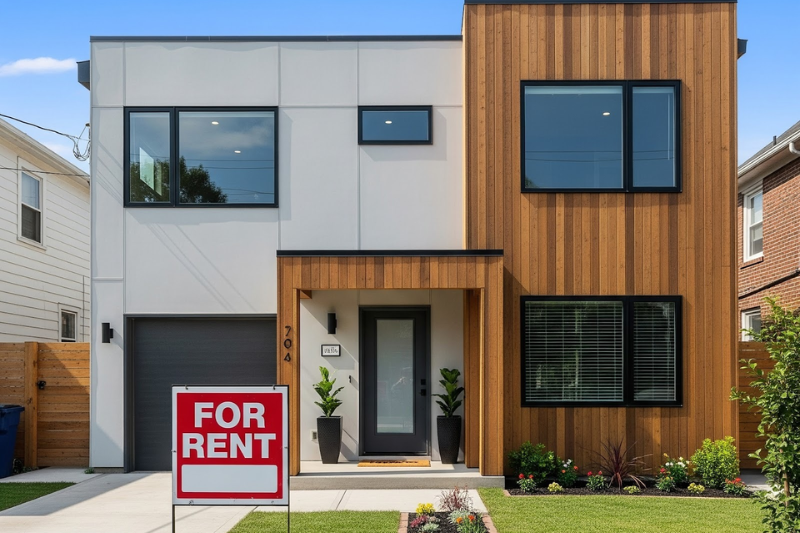
Buying a rental property can be an excellent investment. Too many first-time investors fall in love with a property’s appearance or location.
However, most do not understand whether it will generate positive income. So, before you sign any purchase agreement, it’s an advantage to know how to calculate rental property cash flow and determine if the investment will truly be profitable.
This guide breaks down the essential steps for evaluating rental property cash flow so you can make informed decisions based on real numbers, and not on sole assumptions.
What Is Cash Flow in Real Estate?
Cash flow is the remaining money after all expenses are paid. In rental property investing, it’s calculated as your total rental income minus all operating expenses and debt service.
A positive cash flow means you’re earning more than you’re spending each month. A negative cash flow means the property costs more to maintain than it generates in income.
Rental Income: Know What You'll Actually Collect
The first step in evaluating any rental property is estimating your monthly income. This primarily comes from rent, but may also include:
- Base monthly rent: Research comparable properties in the area to determine realistic rental rates
- Parking fees: If applicable in your market
- Pet fees or pet rent: Common in many rental agreements
- Laundry income: If you own coin-operated machines
- Storage fees: For additional storage spaces
Be conventional in your estimates. Use actual rental data from similar properties in the same neighborhood, not the aspirational rent you hope to achieve. Online rental platforms, local property management companies, and county rental surveys can provide reliable comps.
The Complete List of Rental Property Expenses
This is where many investors make critical mistakes. They account for the mortgage but forget about the dozen other costs that get into profits. Here’s what you need to include:
- Mortgage Payment: Your principal and interest payment, typically the largest monthly expense.
- Property Taxes: Check the local tax assessor’s website for current rates. Remember that taxes often increase over time.
- Insurance: Get actual quotes for landlord insurance, which costs more than standard homeowner’s insurance. In coastal areas or flood zones, you may need additional coverage.
- HOA Fees: If the property is in a community association, these fees are mandatory and can be substantial.
- Maintenance and Repairs: A standard rule of thumb is 1% of the property value annually, though older properties may require more. This covers everything from HVAC repairs to roof replacements.
- Vacancy Allowance: Even excellent properties sit empty sometimes. Budget for at least 5-8% vacancy, meaning if annual rent is $24,000, set aside $1,200-$1,920 for vacancy.
- Property Management: If you hire a property manager, expect to pay 8-12% of monthly rent plus leasing fees. Even if you self-manage initially, calculate this cost in case your situation changes.
- Utilities: Determine which utilities you’ll cover versus tenants. Water, sewer, and trash are often landlord responsibilities.
- Capital Expenditures: Set aside funds for major replacements like roofs, HVAC systems, and appliances. Budget $100-300 monthly, depending on property age and condition.
Step-by-Step: How to Calculate Rental Property Cash Flow
Here’s an actionable example:
Monthly Rental Income: $2,000
Monthly Expenses:
- Mortgage: $1,100
- Property taxes: $250
- Insurance: $150
- HOA fees: $100
- Maintenance reserve: $150
- Vacancy allowance (7% annually): $117
- Property management (10%): $200
- Utilities (water/sewer/trash): $80
Total Monthly Expenses: $2,147
Monthly Cash Flow: $2,000 – $2,147 = -$147
Annual Cash Flow: -$147 × 12 = -$1,764
This property has negative cash flow of $147 per month or $1,764 per year. You would need to subsidize this investment from other income sources.
For a positive cash flow example, if the same property rented for $2,400 monthly, your calculation would be:
Monthly Cash Flow: $2,400 – $2,147 = $253
Annual Cash Flow: $253 × 12 = $3,036
This property generates positive cash flow of approximately $3,000 annually.
When Negative Cash Flow Makes Sense (and When It Doesn't)
Negative cash flow isn’t always a dealbreaker. Some investors accept temporary negative cash flow in high-appreciation markets, banking on property value increases and eventual positive cash flow as rents rise. This strategy works in strong growth markets but requires reserves to cover monthly shortfalls.
However, negative cash flow is problematic when:
- You lack sufficient reserves for emergencies
- The market shows declining property values
- Rental demand is weak or decreasing
- You’re counting on appreciation that may not materialize
For most investors, especially beginners, positive cash flow provides security and proves the investment works on its own merits.
Common Cash Flow Calculation Mistakes
Many buyers self-sabotage their analysis through these errors:
- Overestimating rent: Using the highest comparable rental rather than the median or being overly optimistic about what tenants will pay.
- Underestimating repairs: Assuming nothing will break or require maintenance.
- Ignoring vacancy: Believing you’ll keep the property rented 100% of the time.
- Forgetting capital expenditures: Not budgeting for major replacements that inevitably occur.
- Using current tax assessments: Property taxes often increase after purchase when the assessed value rises to the sale price.
- Skipping property management costs: Planning to self-manage forever without calculating what happens if circumstances change.
Why Local Market Knowledge Is Essential
Generic calculations aren’t enough. Florida rental property cash flow looks different than cash flow in other states due to factors like:
- Property insurance costs, which vary dramatically by location
- Local property tax rates
- Climate-related maintenance (hurricane preparedness, air conditioning wear)
- Seasonal rental fluctuations in tourist areas
- HOA rules and costs common in planned communities
- Local landlord-tenant laws affecting expenses
Research your specific market thoroughly. Connect with local property managers, attend investor meetups, and study neighborhood-level data. What works in one city or even one neighborhood maybe different two miles away.
Evaluate First, Decide Second
Learning how to calculate rental property cash flow is an advantageous tool so you can avoid costly mistakes. Remember that the most successful rental property investors make decisions based on mathematical reality, instead of sentimental attachment to a property.
If you need everything to go perfectly for the deal to break even, keep searching. The right property that generates reliable positive cash flow is worth the wait.